 Reviews

 Proudly American
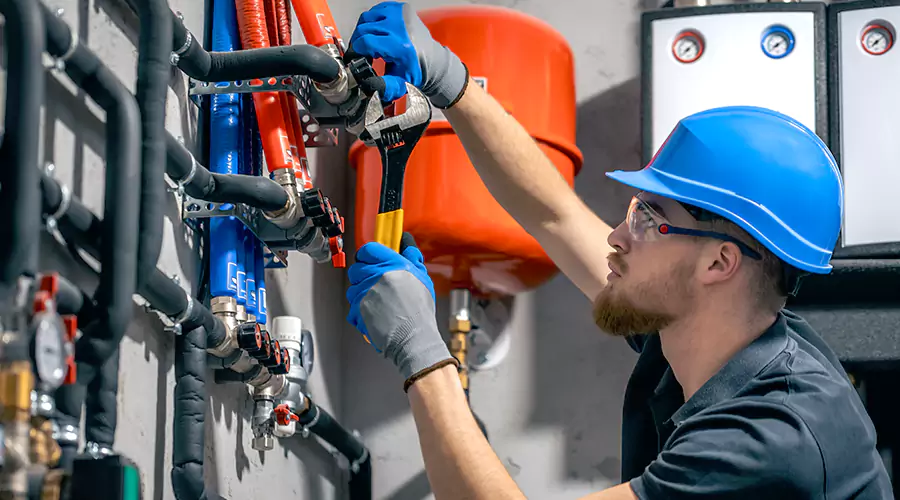
High humidity levels present ongoing challenges for residential plumbing systems. Excess moisture in the air and surrounding soil can affect pipe materials, plumbing fixtures, and overall system performance. Over time, prolonged exposure to humidity may lead to corrosion, leaks, mold growth, and increased maintenance costs if not properly managed.
This guide explains how high humidity impacts plumbing systems, the warning signs homeowners should monitor, and the steps that can be taken to protect water pipe installations and long-term plumbing infrastructure.
Understanding High-Humidity Environments
Regions with consistently high humidity often experience relative moisture levels exceeding 70% for extended periods. While this climate impacts daily comfort, it also accelerates the natural aging process of plumbing materials. Pipes, fixtures, and water heaters exposed to excessive moisture may deteriorate faster, reducing system lifespan and increasing the likelihood of repairs. Awareness of these risks enables homeowners to take preventive, cost-effective action.
How Humidity Impacts Plumbing Systems
1. Corrosion of Metal Pipes
Metal pipes, including copper and galvanized steel, are especially vulnerable in humid conditions. Constant exposure to moisture accelerates oxidation and rust formation, weakening pipe walls and joints.
- Increased risk of leaks
- Reduced water flow due to internal corrosion
- Potential water quality concerns if corrosion progresses
2. Mold and Mildew Growth
High humidity creates ideal conditions for mold and mildew, particularly around leaks, under sinks, and in enclosed spaces.
- Compromised indoor air quality
- Health concerns for occupants
- Visible staining and unpleasant odors
Pipes affected by condensation are a common contributor to mold development in surrounding areas.
3. Impact on PVC and Plastic Pipes
PVC, PEX, and other plastic piping materials resist corrosion; however, high humidity can still affect associated components.
- Degradation of adhesives, seals, and fittings
- Moisture damage to insulation or supports
- Joint failure if installation quality is inadequate
Proper installation remains essential to ensure long-term performance in humid environments.
4. Condensation on Cold Water Pipes
Humidity often causes condensation to form on cold water lines.
- Dripping moisture damages walls, ceilings, and flooring
- Persistent dampness encourages mold growth
- Structural materials may deteriorate over time
Unmanaged condensation can create hidden moisture issues throughout the home.
5. Accelerated Aging of Plumbing Fixtures
Plumbing fixtures such as faucets, valves, and water heaters may deteriorate faster in humid conditions.
- Increased corrosion of metal components
- Reduced efficiency and lifespan
- Higher frequency of repairs or replacements
Exposure to moisture over time places additional strain on all plumbing hardware.
Warning Signs of Humidity-Related Plumbing Issues
Homeowners should remain attentive to early indicators of moisture-related damage, including:
- Visible corrosion or rust on exposed pipes
- Mold or mildew near fixtures, cabinets, or water heaters
- Frequent leaks or persistent dripping
- Condensation forming on pipe surfaces
- Discoloration, cloudy water, or unusual odors
Early detection allows corrective action before structural damage or costly repairs occur.
Preventive Measures for Homeowners
1. Schedule Regular Plumbing Inspections
Professional Plumbing inspections help identify corrosion, condensation issues, and hidden leaks before damage escalates. Routine assessments support long-term system reliability.
2. Install Proper Pipe Insulation
Insulating cold water pipes reduces condensation and moisture exposure. Moisture-resistant insulation is especially beneficial in enclosed or poorly ventilated spaces.
3. Control Indoor Humidity Levels
Using dehumidifiers and ensuring adequate ventilation in kitchens, bathrooms, and utility areas minimizes moisture buildup around plumbing systems.
4. Maintain Plumbing Fixtures
Regular inspection and maintenance of faucets, valves, and water heaters help prevent moisture-related deterioration. Replacing worn seals and gaskets reduces leak risk.
5. Use Quality Materials During Repairs
Selecting corrosion-resistant materials and ensuring proper water pipe installation improves durability and performance in high-humidity environments.
Why Professional Plumbing Services Matter
Licensed plumbers bring specialized expertise and equipment essential for managing humidity-related challenges.
- Comprehensive inspection of water pipe installations
- Early identification of corrosion, leaks, or condensation
- Recommendations for durable materials and insulation methods
- Preventive maintenance to extend system lifespan
Professional service ensures plumbing systems are properly protected and compliant with best-practice standards.
Conclusion
High humidity can significantly impact plumbing systems by accelerating corrosion, promoting condensation, encouraging mold growth, and shortening the lifespan of fixtures and pipes. Proactive maintenance, proper material selection, and routine inspections are essential for mitigating these risks.
Professional plumbers play a critical role in safeguarding plumbing infrastructure, ensuring copper, PVC, or PEX pipe installations remain efficient and durable over time. By taking preventive action, homeowners can reduce repair costs, protect indoor air quality, and maintain consistent plumbing performance year-round.
Investing in professional plumbing care today helps prevent moisture-related damage and ensures long-term system reliability.